
Most event marketing happens after the fact. You wrap up a conference, then scramble to write recap blog posts and social content. By the time it goes out, the energy is gone.
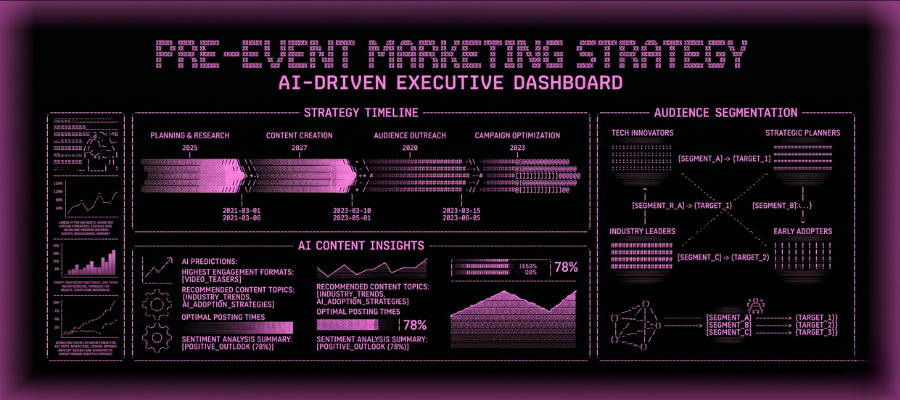
A smarter approach flips this. With a strong pre-event marketing strategy powered by AI, you can build excitement weeks before doors open and turn registration into a steady stream instead of a last-minute rush.
Here is how to use AI to promote your event before it even starts.
Why Pre-Event Marketing Gets Ignored
Event teams are stretched thin. The weeks before a conference are filled with logistics, speaker coordination, and venue prep. Marketing often gets pushed to whatever time is left over, which is usually not much.
The result is generic promotional emails, last-minute social posts, and a website that lists speakers without telling people why they should care. Registration suffers, and so does day-of attendance.
AI fixes this by doing the heavy content lifting so your team can focus on the human work.
Use Past Event Content to Drive New Registrations
You already have material from your previous conferences. Sessions, panels, keynotes, and Q&A. Most teams ignore this content once the event ends, but it is the most powerful pre-event marketing asset you have.
Pull the best moments from last year’s event and use them to promote this year’s. A 30-second clip of a panelist saying something memorable gets more attention than any speaker headshot. A summary of the most-discussed topic from last year tells prospects exactly what they will get this year.
AI makes this fast. Instead of manually reviewing hours of footage, automated transcription and theme detection can surface the highlights in minutes.
Build Speaker Anticipation With Smart Previews
Every speaker on your agenda has spoken somewhere before. Use AI to find what they have said in the past and create short preview pieces that hint at what they will cover.
This works in three steps. First, gather any past session recordings or transcripts your speakers have. Second, run them through AI summarization to extract their core themes and ideas. Third, package these into short blog posts, social cards, or email teasers that tell your audience why this speaker is worth seeing live.
Prospects are not buying tickets to see a name. They are buying tickets to hear ideas. Show them the ideas.
Personalize Outreach Based on Past Attendee Behavior
If you have run events before, you have data on who attended which sessions. Use this to send targeted promotional content for your next event.
Someone who attended three sustainability sessions last year should get an email highlighting your new sustainability track. Someone who attended only the technical deep-dives should get content about the engineering speakers on this year’s agenda. Generic “register now” emails get ignored. Personalized content gets opened.
AI can handle this matching automatically by analyzing past session attendance and content engagement, then matching attendees to relevant new content.
Create a Pre-Event Content Calendar That Builds Momentum
A solid pre-event marketing plan looks like this.
Eight weeks out: Publish a “what we learned last year” recap that doubles as a teaser for what is coming. Use AI-extracted themes from the previous event.
Six weeks out: Release speaker spotlights with previews of their thinking based on past content.
Four weeks out: Share the top discussion topics expected at the event. Pull these from your industry research and audience data.
Two weeks out: Send personalized session recommendations to registered attendees. Help them plan their schedule.
One week out: Publish a “what to watch for” guide highlighting the conversations most likely to be important.
This rhythm keeps your event in front of your audience without being pushy.
How Snapsight Powers Pre-Event Marketing
Snapsight captures every session from your past events with transcription, summarization, and cross-session analysis across 75+ languages. This means your team has instant access to the content needed for pre-event promotion without manually reviewing recordings.
With 627+ events and 10,415+ sessions processed, the platform turns your event history into a content library that fuels future marketing. The Analyst Agent identifies themes and standout moments automatically, so your team can build promotional campaigns in hours instead of weeks.
Key Takeaways
- Most event marketing happens after the event, missing the biggest opportunity
- Past event content is your strongest pre-event marketing asset
- Use AI to surface speaker ideas, top themes, and personalized recommendations
- Build a content calendar that starts eight weeks out and builds momentum
- Pre-event marketing powered by AI drives registration and lifts day-of attendance