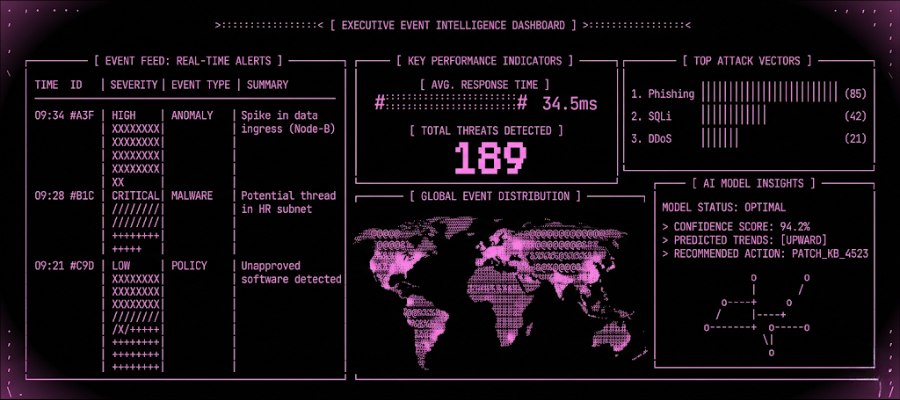

An event executive briefing is how leadership understands whether your event was worth the investment. Your leadership team did not attend the conference. They approved the budget and sent the team, and now they want to know one thing: was it worth it?
This is the core problem. Event teams struggle to explain value because they are turning a rich, multi-day experience into a one-page summary. As a result, the output is usually a few attendance numbers, a satisfaction score, and some vague comments about “great networking”.
That is not a real briefing. It is a missed opportunity.
Here is how to build an event executive briefing that actually gets leadership’s attention and secures budget for next year.
Why Most Event Reports Fail
Leadership teams think in terms of strategy, risk, and opportunity. They want to know what the market is doing, what competitors are planning, and what their customers need.
However, most reports do not speak this language. Instead, they focus on logistics. How many people came? Which sessions were popular? What the venue was like.
This information matters to the event team. However, it means very little to a CEO or VP.
Because of this gap, even valuable insights get lost. Your event likely created the kind of insights leadership cares about. The issue is that they were not captured or presented effectively.
What Leadership Wants in an Event Executive Briefing
After working with multiple event teams, a clear pattern emerges. Leadership is looking for answers to five key questions:
1. What is the market doing?
What themes dominated the conference? What major shifts could affect the business?
2. What are competitors doing?
Did competitors present? What did they announce?
3. What are customers saying?
What problems came up most often? What needs are still unmet?
4. What should we do next?
What are the two or three actions to take based on the event?
5. Was the investment justified?
Did the event create insights and relationships worth the cost?
How to Build a Briefing That Works
Step 1: Capture Everything During the Event
You cannot build a strong event executive briefing from memory. Instead, you need complete records of what happened across sessions. AI transcription and summarisation make this possible without adding manual work.
Step 2: Focus on Themes, Not Sessions
Rather than summarising sessions one by one, focus on the bigger picture. Leadership does not need recaps. They need patterns.
Look for themes that appear across multiple sessions. Identify topics that generated the most discussion. Pay attention to where speakers disagreed.
This approach turns dozens of sessions into a few clear insights.
Step 3: Connect Insights to Business Impact
Next, connect those themes to business outcomes. For example, if supply chain resilience comes up repeatedly, explain what that means for your roadmap.
Similarly, if attendees keep asking about AI compliance, treat it as a signal worth acting on.
This step ensures your event executive briefing leads to action, not just observation.
Step 4: Keep It Short and Clear
Your event executive briefing should fit into two pages or a 10-minute presentation. Start with the three most important insights. Then support each with specific examples.
Finally, end with clear recommendations.
No one reads long reports. However, everyone reads a sharp, focused summary.
A Simple Briefing Template
Top Three Market Signals
The most important themes from the event are supported by real examples.
Competitive Movement
Key competitor activity and what it means for your position.
Customer Voice
Common questions, concerns, and patterns from attendees.
Recommended Actions
Two to three clear next steps based on the insights.
How Snapsight Helps
Snapsight captures every session in real time and identifies patterns across the entire event. As a result, your event executive briefing includes the insights leadership actually cares about.
Instead of spending days compiling notes, your team receives structured intelligence during the event itself.
With thousands of sessions processed across hundreds of events in multiple languages, the platform provides strong, data-backed insights. This makes your reporting more specific, credible, and actionable.
Key Takeaways
- Focus on insights, not logistics
- Highlight market signals, competitors, and customer needs
- Connect insights to business decisions
- Keep your briefing short and actionable
- Strong reporting helps secure future budgets